Cat Food
Wet Food vs. Dry Food for Cats
Compare the benefits of wet and dry food and what might be best for your cat.

On This Page
A Quick Reminder
Every pet is different. Introduce new foods gradually and consult your veterinarian if your pet has specific dietary needs.
When it comes to feeding cats, one of the most common questions pet parents ask is whether to serve wet food, dry food, or a mix of both. Each has real advantages, and the right choice depends on your cat’s health, preferences, and your daily routine. Here is a clear, practical breakdown.
The Case for Wet Food
Canned and pouch foods are roughly 70–80% moisture, which helps cats stay hydrated. Cats evolved from desert animals and have a naturally low thirst drive, so they often do not drink enough water on their own. The extra moisture in wet food supports urinary and kidney health and can help cats feel full on fewer calories, which is useful for weight management.
The Case for Dry Food
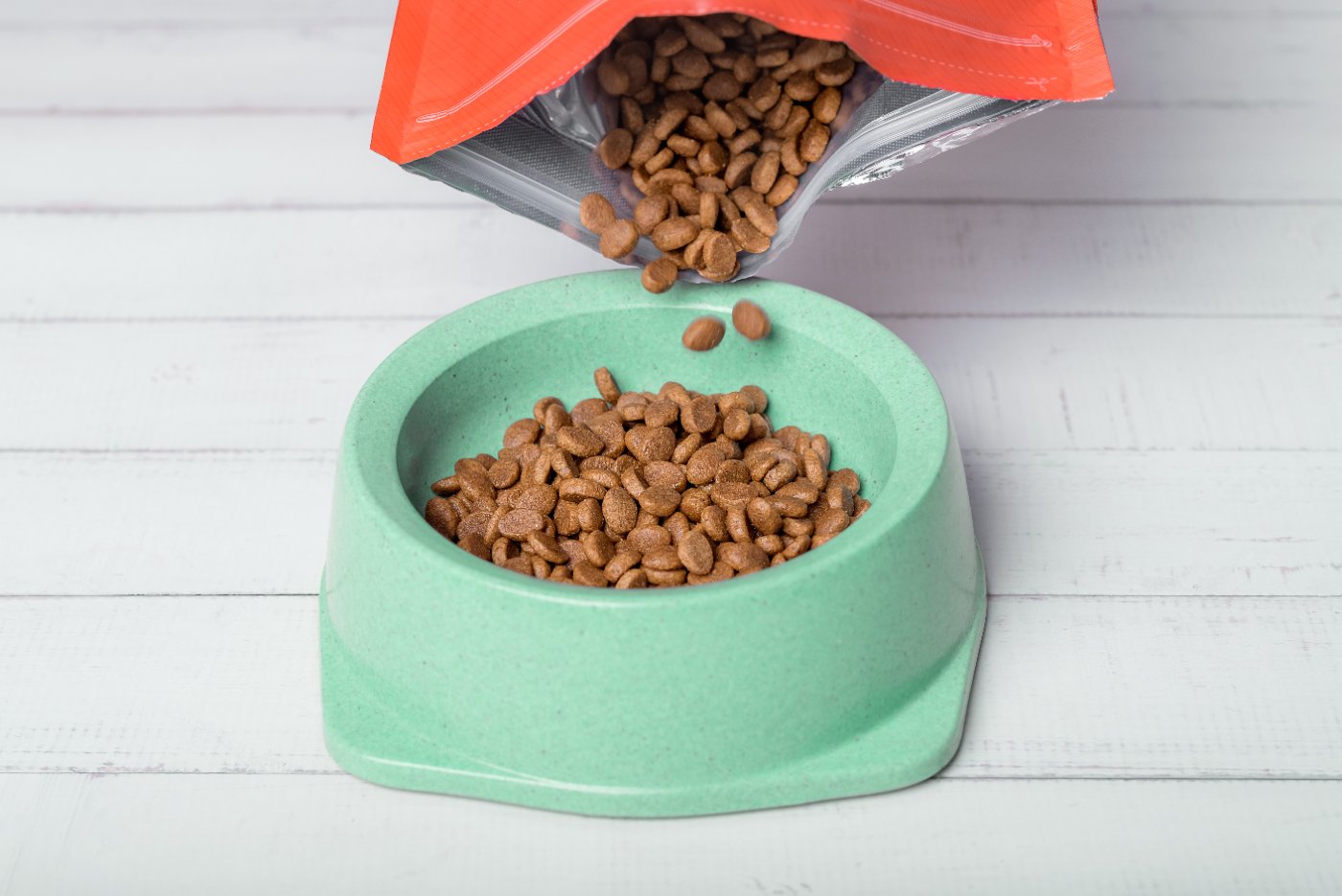
Kibble is convenient, shelf-stable once opened, and generally more economical per serving. It is easy to measure, works well in puzzle feeders, and can be left out for cats that prefer to graze. The trade-off is its low moisture content, so cats eating mostly dry food need constant access to fresh water.
Does Texture Affect Dental Health?
A popular belief is that dry food cleans teeth. In reality, most kibble shatters on contact and does little for dental health. Specific dental diets with larger, fibrous kibble are the exception. For most cats, regular veterinary dental care matters far more than food texture.
Can You Feed Both?
Yes. Many pet parents feed wet food once or twice a day and leave a measured portion of dry food for grazing. This combines the hydration benefits of wet food with the convenience of dry. Just be sure to count both toward your cat’s total daily calories to avoid overfeeding.
What to Look For
Whichever format you choose, prioritize quality and completeness:
- An AAFCO “complete and balanced” statement for your cat’s life stage
- A named animal protein as the first ingredient
- Appropriate calorie content for your cat’s weight and activity
- No sudden switches — transition new foods over 7 to 10 days
The Bottom Line
There is no single winner. Wet food wins on hydration; dry food wins on convenience and cost. A thoughtful combination often gives cats the best of both. Match the choice to your cat’s needs and your routine, and consult your veterinarian if your cat has a medical condition.
References
- Association of American Feed Control Officials (AAFCO), Official Publication, 2023
- WSAVA Global Nutrition Committee, Feeding Guidelines, 2021
- Pet Nutrition Alliance, Feline Feeding Resources, 2022
About the Author
Arnold Jones
Arnold writes about pet nutrition and helps pet parents make informed, confident choices about what goes in the bowl.