Ingredients
The Role of Fats and Omega Fatty Acids in Pet Food
Fat often gets a bad reputation, but in pet food [...]

On This Page
A Quick Reminder
Every pet is different. Introduce new foods gradually and consult your veterinarian if your pet has specific dietary needs.
Fat often gets a bad reputation, but in pet food it is an essential nutrient — a concentrated energy source and the delivery system for some of the most important nutrients your pet needs. Understanding dietary fat helps you appreciate why quality matters. Here is what to know.
Why Pets Need Dietary Fat
Fat provides more than twice the energy of protein or carbohydrates by weight, making it a key fuel, especially for active animals. It also carries fat-soluble vitamins (A, D, E, and K), supports healthy skin and coat, and makes food palatable. A diet too low in fat can leave pets dull-coated and low on energy.
Understanding Omega-3 and Omega-6
Two families of essential fatty acids matter most. Omega-6 fatty acids support skin barrier function and overall health, while omega-3 fatty acids — especially EPA and DHA from fish oil — help manage inflammation and support brain, joint, and heart health. A healthy diet supplies both in appropriate balance.
Sources That Matter
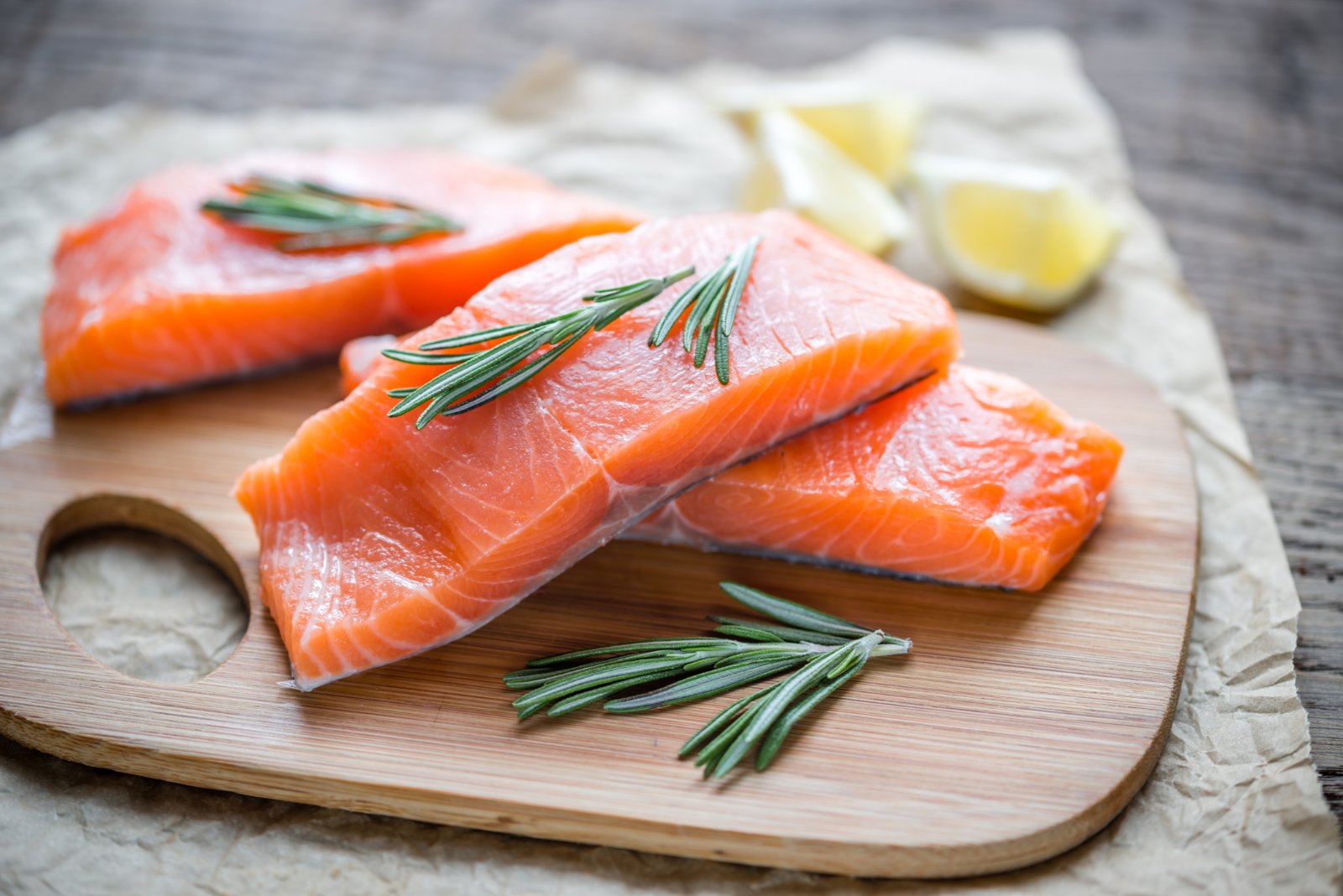
Named fat sources tell you more than generic ones. Chicken fat, fish oil, and flaxseed are common, high-quality contributors. Fish oil in particular is valued for its EPA and DHA. As with other ingredients, a specifically named fat source is a good sign of transparency.
Can There Be Too Much?
Yes. Because fat is calorie-dense, high-fat diets can contribute to weight gain if portions are not controlled, and very high-fat meals can trigger digestive issues in sensitive pets. The goal is adequate, high-quality fat matched to your pet’s energy needs — not simply as much as possible.
What to Look For
When evaluating fats in a food, check for:
- Named fat sources like chicken fat or fish oil
- A source of omega-3s (EPA/DHA) for skin, coat, and joints
- A sensible balance of omega-6 and omega-3
- Fat levels matched to your pet’s activity and weight goals
The Bottom Line
Fat is a vital, healthy part of your pet’s diet when it comes from quality sources and is fed in the right amount. Look for named fats and a good supply of omega-3s, and match total fat to your pet’s energy needs for the best skin, coat, and overall health.
References
- Association of American Feed Control Officials (AAFCO), Official Publication, 2023
- WSAVA Global Nutrition Committee, Essential Fatty Acids Guidance, 2021
- Pet Nutrition Alliance, Ingredient Literacy Resources, 2022
About the Author
Arnold Jones
Arnold writes about pet nutrition and helps pet parents make informed, confident choices about what goes in the bowl.