Ingredients
What Does Grain-Free Really Mean?
Grain-free is a formulation choice, not a health claim. Here is what replaces the grain and why it matters.

On This Page
A Quick Reminder
Every pet is different. Introduce new foods gradually and consult your veterinarian if your pet has specific dietary needs.
“Grain-free” is one of the most visible claims in the pet food aisle, but it is also one of the most misunderstood. Knowing what the term actually means — and what it does not — helps you cut through the marketing and choose based on real nutrition. Here is the full picture.
The Literal Definition
Grain-free means the recipe contains no cereal grains such as corn, wheat, rice, barley, or oats. That is the entire claim. It says nothing about protein quality, calorie content, or overall nutritional value, and it does not mean the food is low in carbohydrates.
What Replaces the Grains
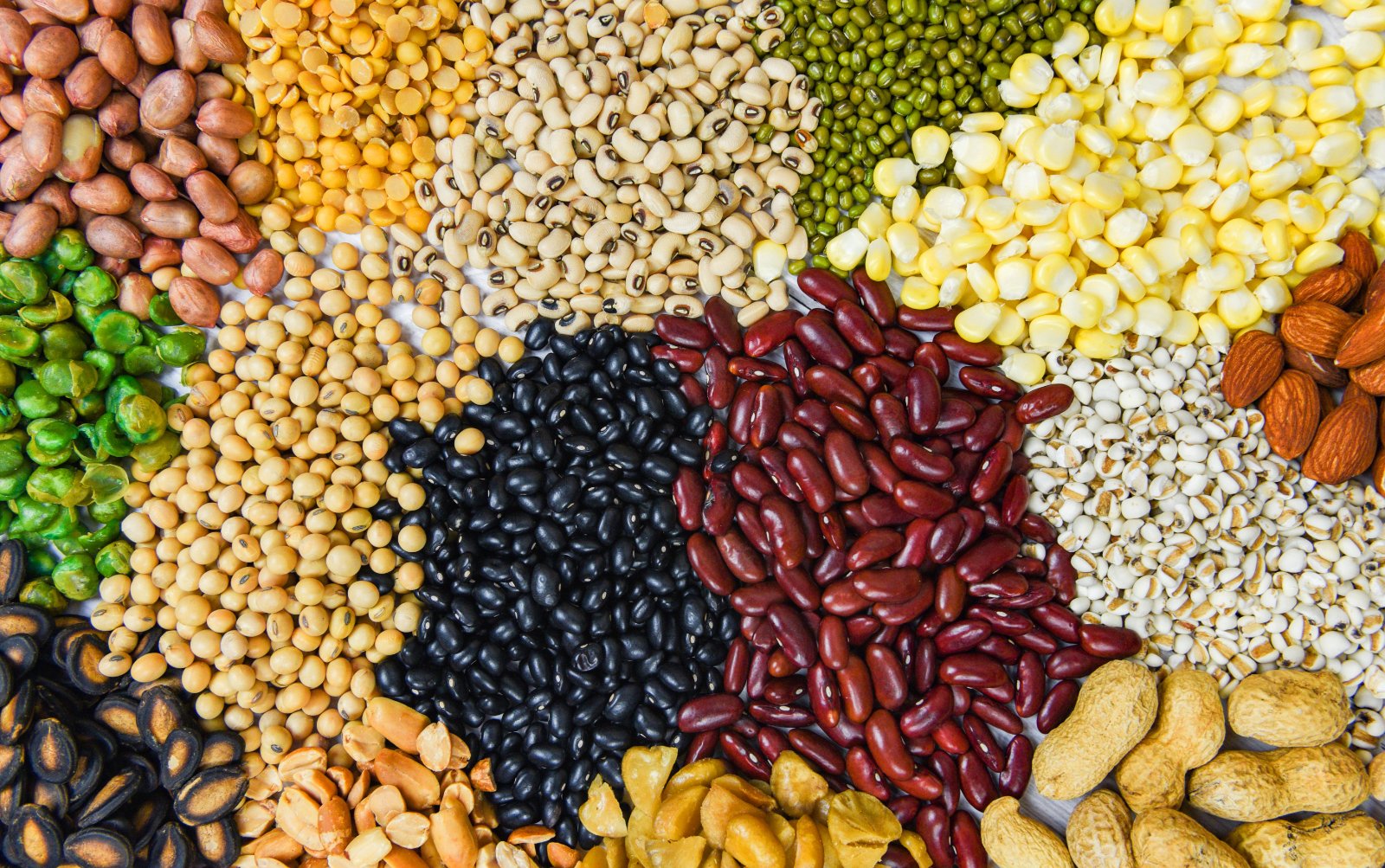
Grains are usually swapped for other carbohydrate sources — peas, lentils, chickpeas, potatoes, or sweet potatoes. These ingredients still provide starch and calories, so a grain-free food can contain just as many carbohydrates as a grain-inclusive one. The label change does not automatically lower carbs.
Are Grains Bad for Pets?
For most pets, no. Whole grains are digestible and supply fiber, vitamins, and minerals. Genuine grain allergies are rare; most food sensitivities trace back to specific proteins. Unless your veterinarian has identified a grain issue, there is no medical reason to avoid grains.
The Bigger Nutritional Picture
Whether a food is grain-free matters far less than its overall formulation: the quality and quantity of protein, the fat content, and whether it is complete and balanced. A well-made grain-inclusive food can easily outperform a poorly formulated grain-free one.
What to Look For
Instead of fixating on the grain-free label, check for:
- Named animal proteins high on the ingredient list
- An AAFCO complete-and-balanced statement for the right life stage
- Calorie and portion information you can use
- A recipe matched to any diagnosed sensitivities
The Bottom Line
Grain-free is a description, not a quality grade. It suits pets with a diagnosed grain sensitivity but offers no built-in advantage for everyone else. Focus on the complete recipe and your vet’s advice rather than a single front-of-bag claim.
References
- Association of American Feed Control Officials (AAFCO), Official Publication, 2023
- U.S. Food and Drug Administration, Pet Food Ingredient Guidance, 2023
- WSAVA Global Nutrition Committee, Selecting Pet Foods, 2021
About the Author
Arnold Jones
Arnold writes about pet nutrition and helps pet parents make informed, confident choices about what goes in the bowl.