Dog Food
Senior Dog Nutrition: Feeding Older Dogs
As dogs age, their bodies change — and so do [...]


On This Page
A Quick Reminder
Every pet is different. Introduce new foods gradually and consult your veterinarian if your pet has specific dietary needs.
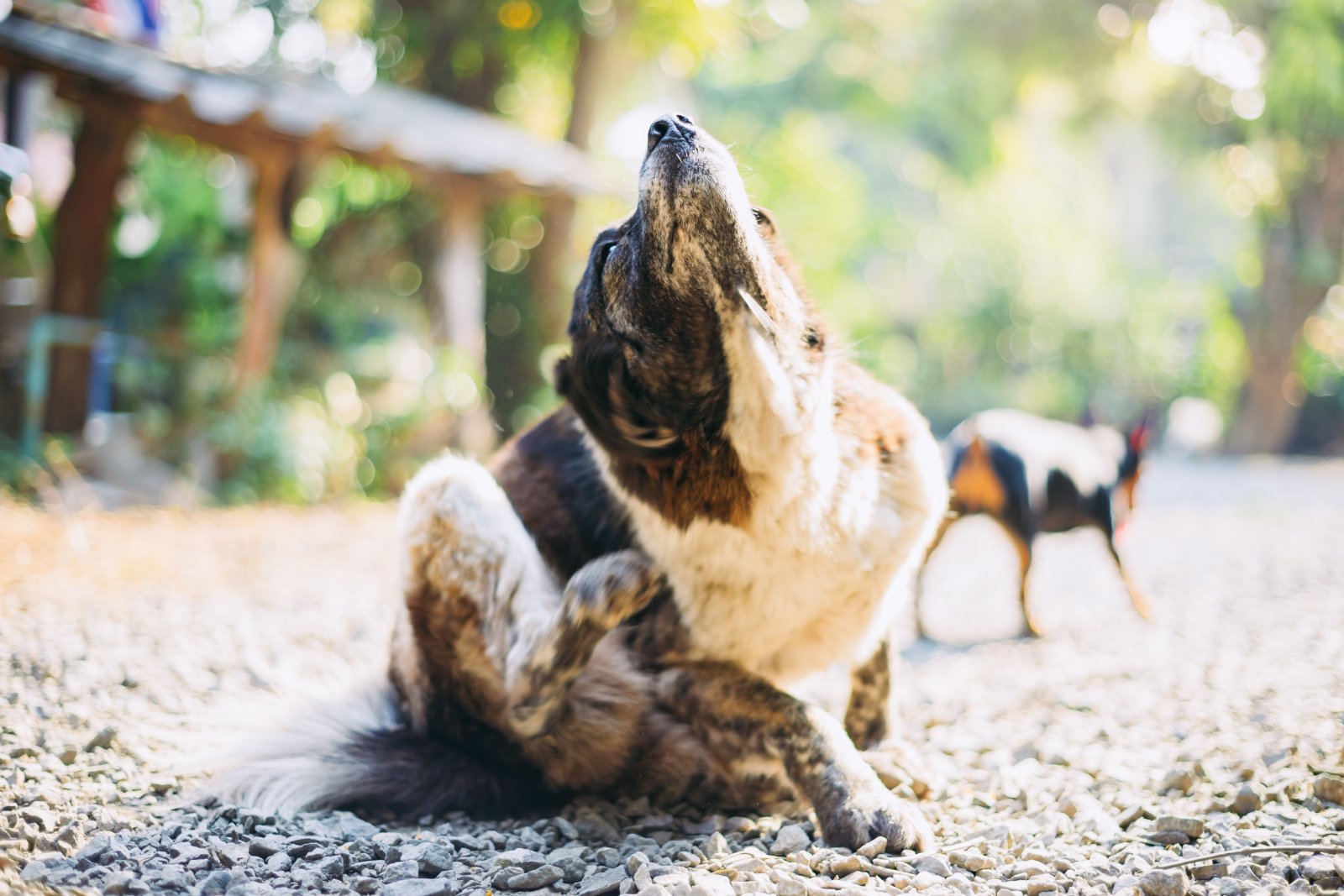
As dogs age, their bodies change — and so do their nutritional needs. The right diet can help senior dogs stay active, maintain a healthy weight, and manage age-related conditions. Here is how to adjust feeding as your dog enters their golden years.
When Is a Dog a Senior?
Dogs are generally considered senior in the last quarter of their expected lifespan. Because size drives longevity, small breeds may not reach senior status until 10 to 12 years, while large and giant breeds are often considered senior by 6 to 8 years. Watch for the signs of aging rather than relying on a single number.
Managing Weight and Calories
Older dogs are usually less active and lose muscle mass, so their calorie needs often drop. At the same time, maintaining adequate high-quality protein becomes more important to preserve muscle. The goal is fewer calories but not less protein — a common balance many senior formulas aim to strike.
Supporting Joints and Mobility
Joint stiffness is common in aging dogs. Some senior diets include added omega-3 fatty acids and joint-support nutrients like glucosamine and chondroitin. While not a cure, these can be part of a broader plan to keep older dogs comfortable and moving.
Addressing Age-Related Conditions
Senior dogs are more likely to develop conditions such as kidney disease, dental problems, or reduced appetite. Diet is often a key part of managing these, whether through adjusted nutrients, softer textures, or therapeutic formulas prescribed by your veterinarian. Regular checkups help catch changes early.
What to Look For
When feeding a senior dog, prioritize:
- Adequate high-quality protein to preserve muscle
- Calorie levels matched to lower activity
- Joint and omega-3 support where helpful
- Any therapeutic diet your vet recommends for specific conditions
The Bottom Line
Feeding an older dog well means adjusting calories, protecting muscle with quality protein, and supporting joints and health conditions as they arise. Partner with your veterinarian to tailor the diet, and your senior dog can enjoy comfortable, healthy years ahead.
References
- WSAVA Global Nutrition Committee, Senior Pet Nutrition Guidelines, 2021
- Association of American Feed Control Officials (AAFCO), Official Publication, 2023
- Pet Nutrition Alliance, Canine Feeding Resources, 2022
About the Author
Arnold Jones
Arnold writes about pet nutrition and helps pet parents make informed, confident choices about what goes in the bowl.