Ingredients
What Are Meat By-Products in Pet Food?
Few pet food ingredients are as misunderstood as “meat by-products.” [...]

On This Page
A Quick Reminder
Every pet is different. Introduce new foods gradually and consult your veterinarian if your pet has specific dietary needs.
Few pet food ingredients are as misunderstood as “meat by-products.” The name sounds unappealing, but the reality is more nuanced — and often more nutritious — than the label suggests. Here is a clear-eyed look at what by-products actually are and whether they belong in your pet’s bowl.
What By-Products Really Are
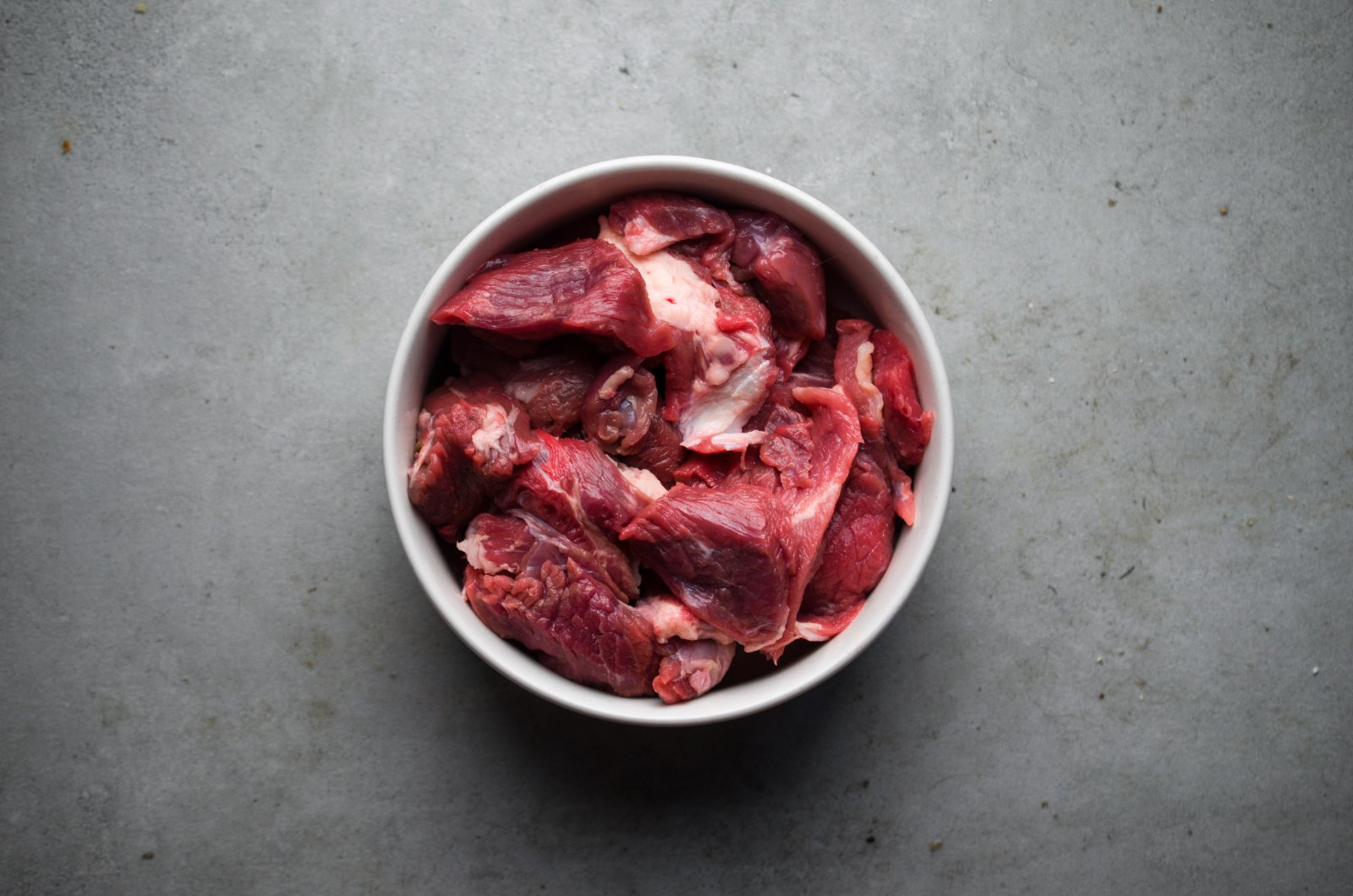
In pet food, meat by-products are the parts of an animal beyond skeletal muscle — organs like liver, kidney, and spleen, along with other clean, non-rendered parts. Many of these are nutrient-dense tissues that wild carnivores eat first. By regulatory definition, by-products exclude things like hair, horns, and teeth.
Are They Nutritious?
Often, yes. Organ meats are rich in protein, vitamins, and minerals — liver, for example, is packed with vitamin A, iron, and B vitamins. In many cases by-products deliver nutrition that plain muscle meat cannot, which is why they appear in high-quality foods as well as budget ones.
By-Products vs. Named Meals
You will also see “by-product meal,” which is by-products that have been cooked and dried into a concentrated powder. Because the water is removed, meals are a dense source of protein. A named source, such as “chicken by-product meal,” is more informative than a generic “meat by-product meal.”
Where the Reputation Comes From
By-products earned a poor reputation partly from marketing by brands that exclude them and partly from the unappetizing image the word conjures. Quality varies by manufacturer, so the presence of by-products alone does not make a food good or bad — the overall formulation and sourcing matter most.
What to Look For
When evaluating by-products on a label, consider:
- A named animal source (chicken, beef) rather than generic “meat”
- An AAFCO complete-and-balanced statement
- A manufacturer transparent about sourcing and quality control
- The whole recipe, not a single ingredient in isolation
The Bottom Line
Meat by-products are not the filler many assume — they are often nutritious organ tissues. Judge them by their named source and the quality of the overall food rather than the off-putting name, and choose brands you trust to source responsibly.
References
- Association of American Feed Control Officials (AAFCO), Official Publication, 2023
- U.S. Food and Drug Administration, Pet Food Ingredient Definitions, 2023
- WSAVA Global Nutrition Committee, Ingredient Literacy Resources, 2021
About the Author
Arnold Jones
Arnold writes about pet nutrition and helps pet parents make informed, confident choices about what goes in the bowl.