
Ingredients
Understanding Carbohydrates in Pet Food
Carbohydrates are one of the most debated ingredients in pet [...]

On This Page
A Quick Reminder
Every pet is different. Introduce new foods gradually and consult your veterinarian if your pet has specific dietary needs.
Carbohydrates are one of the most debated ingredients in pet food. Some see them as unnecessary fillers, others as valuable energy and fiber. The truth sits in between, and it depends on the type and amount. Here is a balanced guide to carbs in your pet’s diet.
What Carbohydrates Do
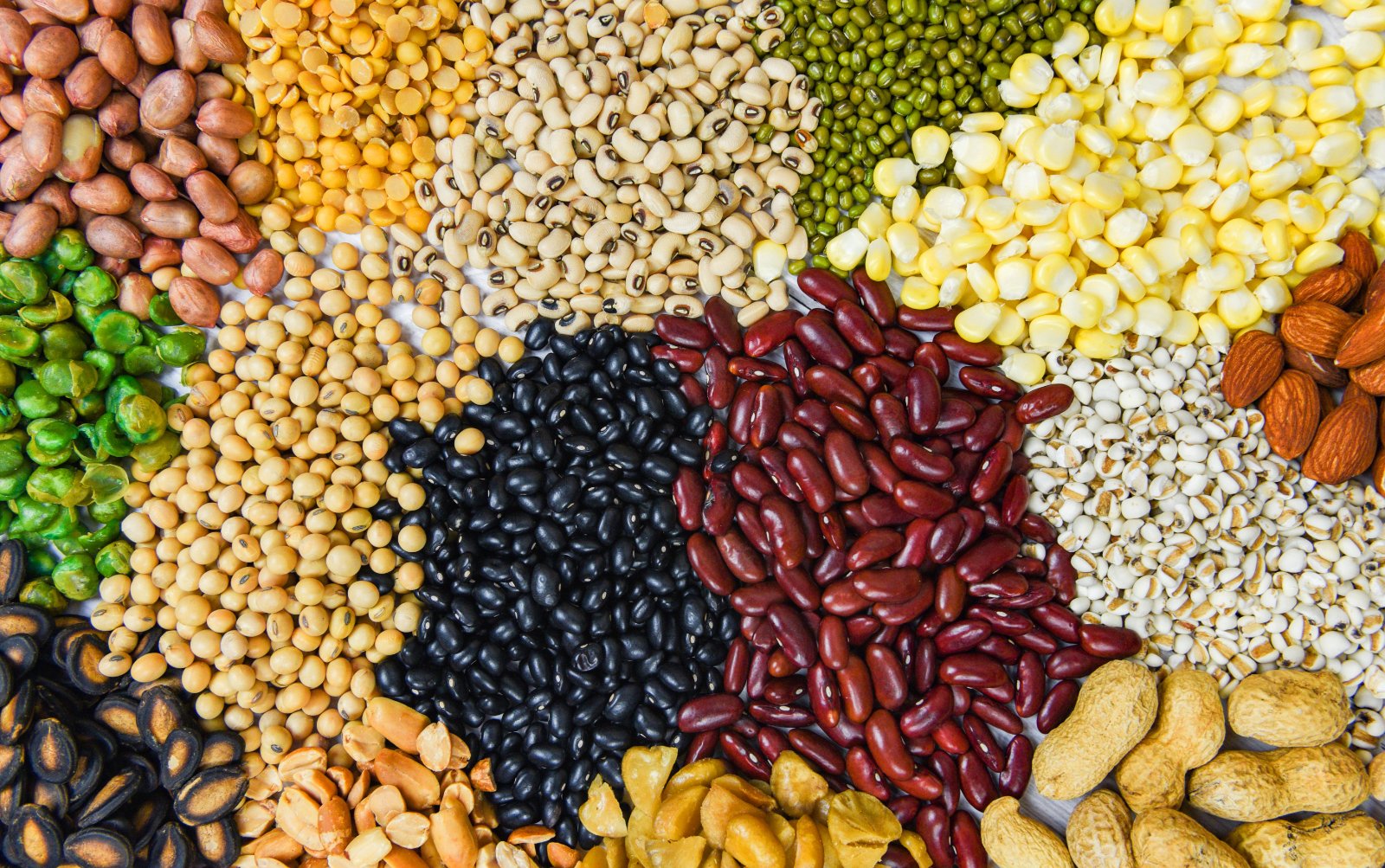
Carbohydrates provide a readily available source of energy and supply dietary fiber that supports digestion. Sources like whole grains, legumes, and vegetables also carry vitamins, minerals, and antioxidants. In a balanced diet, carbs play a useful supporting role rather than a harmful one.
Do Cats and Dogs Need Carbs?
Dogs are adaptable omnivores and digest carbohydrates well. Cats are obligate carnivores with a lower carbohydrate requirement, so their diets should lean more heavily on animal protein. Neither species has a strict “requirement” for carbs, but moderate, quality carbohydrate sources can still contribute to a healthy diet.
The Role of Fiber
Fiber is a special type of carbohydrate that supports gut health, helps firm stools, and can aid weight management by promoting fullness. Both soluble and insoluble fiber have benefits, which is why quality foods include fiber sources like beet pulp, pumpkin, or whole grains in measured amounts.
Quality Over Quantity
Not all carbohydrate sources are equal. Whole, minimally processed sources generally offer more nutritional value than heavily refined fillers. As with protein, the source and the overall balance of the recipe matter more than a single number on the guaranteed analysis.
What to Look For
When assessing carbohydrates in a food, favor:
- Whole, recognizable carbohydrate sources
- Appropriate carb levels for the species (lower for cats)
- Beneficial fiber sources for digestion
- An overall recipe led by quality animal protein
The Bottom Line
Carbohydrates are not the enemy — in the right form and amount they provide energy, fiber, and nutrients. Focus on quality sources and species-appropriate levels, and remember that carbs should complement, not crowd out, the protein at the heart of your pet’s diet.
References
- Association of American Feed Control Officials (AAFCO), Official Publication, 2023
- WSAVA Global Nutrition Committee, Nutrient Guidelines, 2021
- Pet Nutrition Alliance, Ingredient Literacy Resources, 2022
About the Author
Arnold Jones
Arnold writes about pet nutrition and helps pet parents make informed, confident choices about what goes in the bowl.