Cat Food
Hydration and Cat Food: Why It Matters
How food and water work together to protect your cat's health.

On This Page
A Quick Reminder
Every pet is different. Introduce new foods gradually and consult your veterinarian if your pet has specific dietary needs.
Hydration is one of the most underrated parts of feline health. Cats are notoriously poor drinkers, and chronic low water intake can contribute to serious urinary and kidney problems. The food you choose plays a surprisingly large role. Here is why hydration matters and how diet can help.
Why Cats Struggle to Stay Hydrated
Cats descend from desert-dwelling ancestors and evolved to get most of their water from prey. As a result, they have a low thirst drive and often do not drink enough from a bowl to make up for a dry diet. This makes dietary moisture especially important.
The Role of Wet Food
Canned and pouch foods are around 70–80 percent water, delivering a significant portion of a cat’s daily fluid needs through meals. Feeding wet food, either exclusively or alongside dry, is one of the simplest ways to boost hydration without relying on your cat to drink more.
Why Hydration Protects the Urinary Tract
Good hydration keeps urine more dilute, which helps reduce the risk of urinary crystals, stones, and blockages — problems that can become emergencies, especially in male cats. Adequate water intake also supports long-term kidney health as cats age.
Encouraging More Water Intake
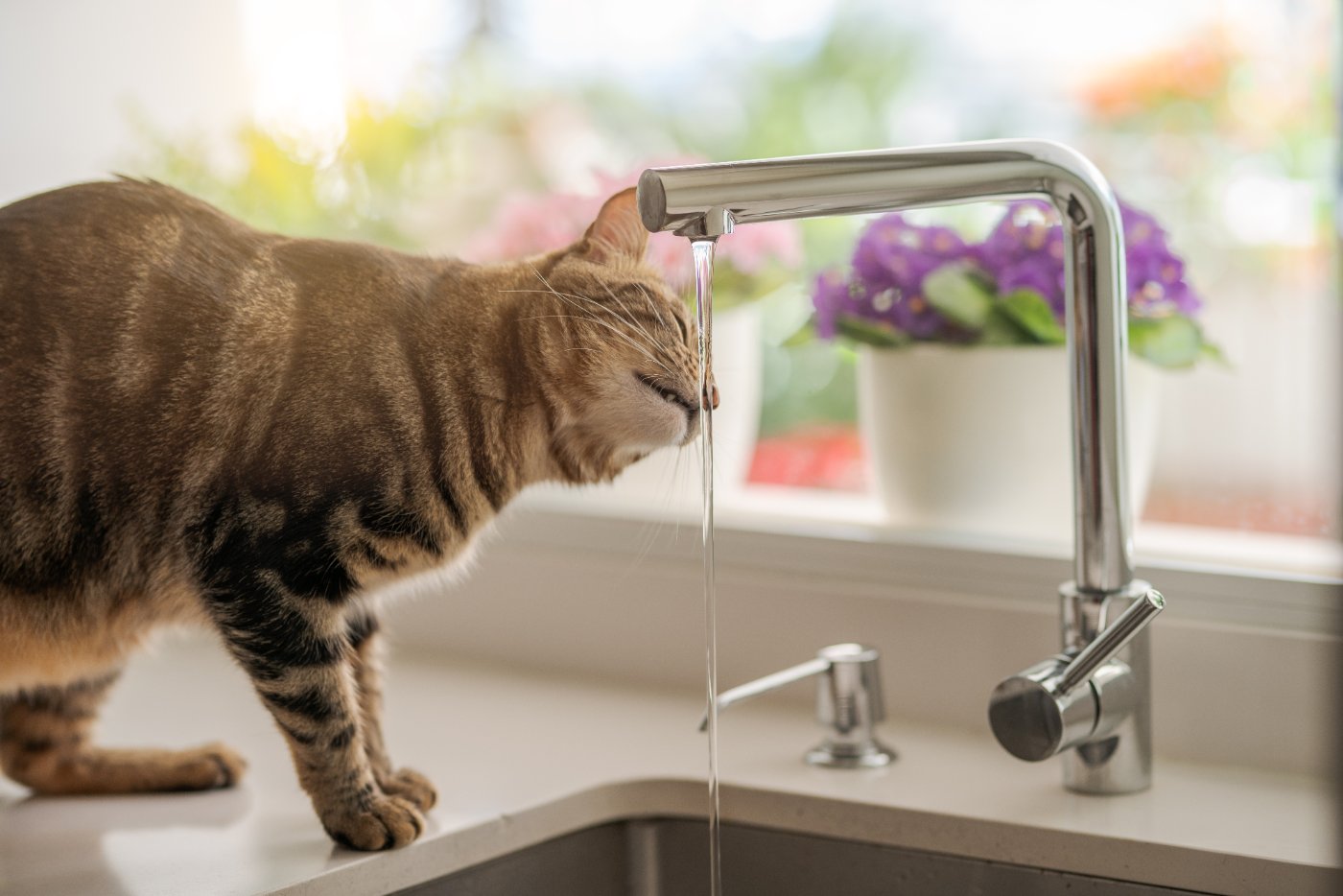
Beyond food, you can help your cat drink more by offering fresh water in wide, clean bowls, trying a pet water fountain, and placing multiple water stations around the home. Some cats prefer running water or bowls away from their food.
What to Look For
To support hydration through diet, consider:
- Incorporating wet food into daily meals
- Adding a little water or broth to food, if your cat accepts it
- Multiple fresh water sources and possibly a fountain
- Monitoring litter box output for changes
The Bottom Line
Because cats drink so little on their own, moisture-rich food is a powerful tool for keeping them hydrated and protecting urinary and kidney health. Build hydration into meals and the water bowl alike, and consult your vet about any urinary concerns.
References
- WSAVA Global Nutrition Committee, Feline Nutrition Guidelines, 2021
- Association of American Feed Control Officials (AAFCO), Official Publication, 2023
- Pet Nutrition Alliance, Feline Feeding Resources, 2022
About the Author
Arnold Jones
Arnold writes about pet nutrition and helps pet parents make informed, confident choices about what goes in the bowl.